My time at Harvard completing my last Physical TherapyClinical is coming to a close. Although it has flown by, I have gained a lot ofexperience and knowledge from working with the athletes and clinicians. Oneconcept that has been a cornerstone of treatment for our athletes at Harvardhas been a preventative technique used quite often at CPC – That’s right, I’mtalking about
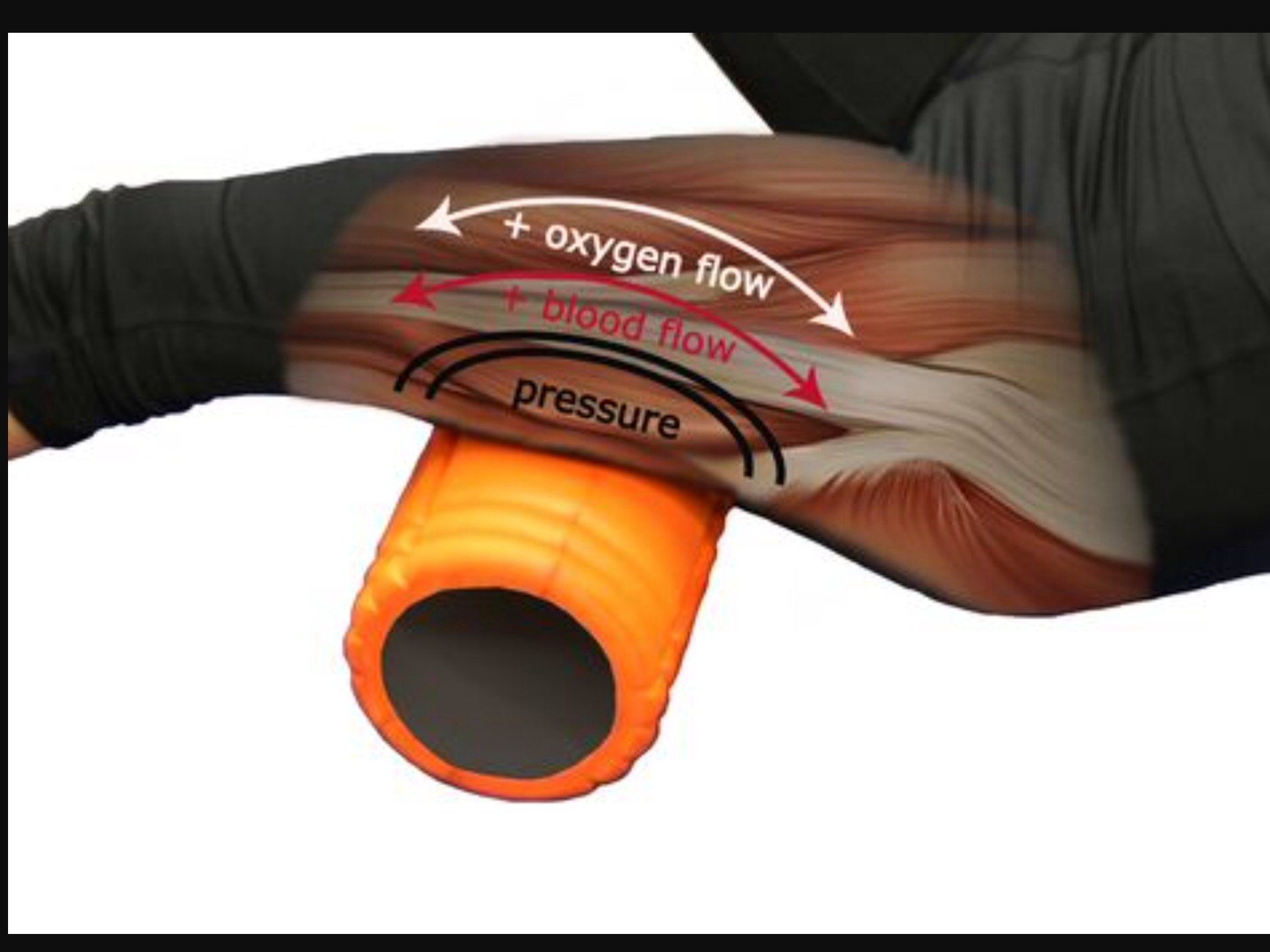
Triggerpoint Myofascial Compression Technique (MCT). Whilemost of you were hoping for the day we phased out this torturous technique,don’t hold your breath, MCT isn’t going anywhere anytime soon. What sets MCTapart from traditional foam rolling on an ideological level is the addition ofmuscle movement WHILE moving along a foam roller or quad baller.Lengthening/Shortening the muscle while adding compression is a technique usedin effective forms of soft tissue massage (STM) for rehabilitation – and canalso be used as a preventative measure.
Simply put, we develop adhesions when we work out that wetypically refer to as knots. When we work out, depending on the style andintent, we “injure” muscles to stimulate the body to repair itself with thegoal of making stronger more efficient neuromuscular and musculoskeletal links.Due to improper recovery strategies (rest, eating, sleeping, work life) therepair doesn’t always go to plan, and the repair process may result inadhesions in an attempt to make the structure stronger. These adhesions affectmuscle length just as though a knot would affect the length of a rope. Thisalteration in physiology can alter the functionality of the muscle andeventually directly or indirectly result in an injury.
MCT provides individuals with the capability to prevent aninjury rather than treat one after the occurrence. Treating an injury can be costlyand time consuming – not to mention the impact it has recreationally and onyour quality of life. When you invest 10 minutes into MCT and mobility youdecrease the likelihood of injury and promote muscle synthesis and repair. Itwill always be more beneficial to prevent an injury rather than to treat one.
Medicine as a whole is making a change towards focusing onprevention. At CPC, we aim to do the same emphasizing functional movementpatterns as well as MCT. Ask a coach at CPC about MCT to ensure you stay on theprevention side of things.