
Share this article

Effects of Alcohol on Performance

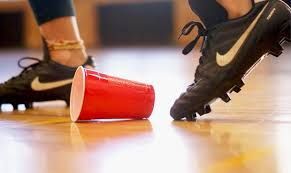
Two soccer players’ cleats near a fallen red plastic cup on an indoor court

We have all been there, after an even or competition and all you want is an ice cold adult beverage! Whether you are a college athlete celebrating a big win with your team or a weekend warrior who just completed a fitness event with your buddies, alcohol consumption is common. In the moment, everything is great and you are having the time of your life. BUT you can hinder your body’s ability to recover properly especially if things get out of hand.


College athletes (No Parents No Rules, right?), chronic alcohol use can lead to nutritional deficiencies, depressed immune system which can prolong healing of injuries causing you to have a longer return to play process. This is the last thing you want during your sport season. According to a post by ECU Sports Nutrition the injury rate for drinkers is 54.8% and for non-drinkers 23.5%. To recover properly from exercise and competition your body needs to restore glycogen, muscle protein and fluid balance. Alcohol can hinder this process due to increasing urine output. Yes, beer does contain carbohydrates but it does not contain enough along with any electrolytes to recover. The greater the number of beverages consumed increases this process and further dehydrates your body. Another effect on your body is disrupted sleep. From my experience in working with college athletes they don’t sleep enough regardless. Alcohol has been shown to disrupt restorative sleep cycles therefore decreasing the quality of sleep one gets. This then negatively affects the body’s ability to produce hormones that are associated with muscle growth and recovery.


I am in no way shape or form condoning the consumption of alcohol, but simply being smart about it can do your body less harm especially if you are an in-season athlete. For example, some collegiate teams will have a “dry season” to obtain a more consistent and higher level of performance. The “dry season” in my opinion is to reduce the occurrence of the athletes getting into trouble but also to keep them from being hungover during competition to elevate performance. According to the NSCA the effects of a hangover can cause several physical symptoms. These symptoms include feeling fatigued which is not out of the ordinary. But what most do not know is that research has shown that a hangover can cause about an 11% decrease in aerobic capacity. The effects on anaerobic performance still requires further research. Upperclassmen, this could be another aspect that you need to mentor your younger teammates. This is most likely the first time they have experienced this type of freedom and you need to keep them in check. You are only as good as your weakest link when it comes to a team performance.


Now get out there, crush your training so you can crush your competition and just be conscious about the beverages you crush!

Recent Posts
Assorted fresh vegetables arranged in baskets and crates on a wooden table.
By info October 7, 2020
When it comes to taking meat out of your diet, some people have the idea that they will only see positive changes immediately following this choice. While those positive changes are definitely part of the deal, so is an adjustment period for your body.

Be kind quote on blue background: “For everyone you meet is fighting a battle you know nothing about.”
By info September 23, 2020
Reflect on the emotional toll of the pandemic on gyms. Join us in supporting each other through these tough times.